Classic Car Condition Check: How to Inspect the Condition of a Classic Car
- Shawn Owens
- Feb 9
- 3 min read

Owning a classic car is a dream for many enthusiasts. These vehicles carry history, style, and a unique charm that modern cars often lack. However, before investing in a classic car, it is crucial to perform a thorough inspection to understand its condition. This guide will walk you through the essential steps to evaluate a classic car properly, helping you make an informed decision.
Essential Steps for a Classic Car Condition Check
When inspecting a classic car, start with the basics and gradually move to more detailed areas. Here are the key points to focus on:
Exterior Inspection
Begin by examining the car’s bodywork. Look for signs of rust, dents, or mismatched paint, which could indicate previous repairs or damage. Pay close attention to the wheel arches, door sills, and under the car, as these areas are prone to rust.
Check the alignment of body panels. Uneven gaps may suggest past accidents.
Inspect the chrome trim and bumpers for pitting or corrosion.
Look at the condition of the glass and rubber seals around windows and doors.
Interior Condition
The interior tells a lot about how the car was cared for. Check the upholstery for tears, stains, or fading. Inspect the dashboard for cracks or warping, which can happen due to sun exposure.
Test all switches, gauges, and lights to ensure they work.
Smell the interior for any musty odors that might indicate water leaks.
Examine the carpets and floor mats for dampness or mold.

Engine and Mechanical Components
The engine is the heart of any car, and classic cars are no exception. Open the hood and look for leaks, corrosion, or worn belts and hoses.
Check the oil level and color; dark or gritty oil may indicate poor maintenance.
Inspect the radiator and cooling system for leaks or damage.
Listen for unusual noises when the engine is running, such as knocking or ticking.
Suspension and Brakes
A smooth ride depends on the suspension and brakes. Push down on each corner of the car; it should bounce back smoothly without excessive movement.
Look for leaks in shock absorbers.
Check brake pads and discs for wear.
Test the brake pedal for firmness and responsiveness.
Classic Car Condition Check: What to Look for in Documentation
A well-maintained classic car usually comes with detailed records. These documents can provide insight into the car’s history and maintenance.
Service records showing regular oil changes, tune-ups, and repairs.
Original manuals and warranty papers.
Ownership history, including any restoration work.
Having these documents can increase the car’s value and give you confidence in its condition.
What is the 30-60-90 Rule for Cars?
The 30-60-90 rule is a simple guideline to help evaluate a car’s maintenance schedule and condition. It refers to key service intervals at 30,000, 60,000, and 90,000 miles.
30,000 miles: Typically involves oil changes, tire rotation, and brake inspection.
60,000 miles: Includes more extensive checks like timing belt replacement and transmission service.
90,000 miles: Often requires major maintenance such as spark plug replacement and suspension inspection.
For classic cars, understanding this rule helps you assess whether the vehicle has been properly maintained according to mileage milestones. If the car’s records show these services were done on time, it’s a good sign of reliability.
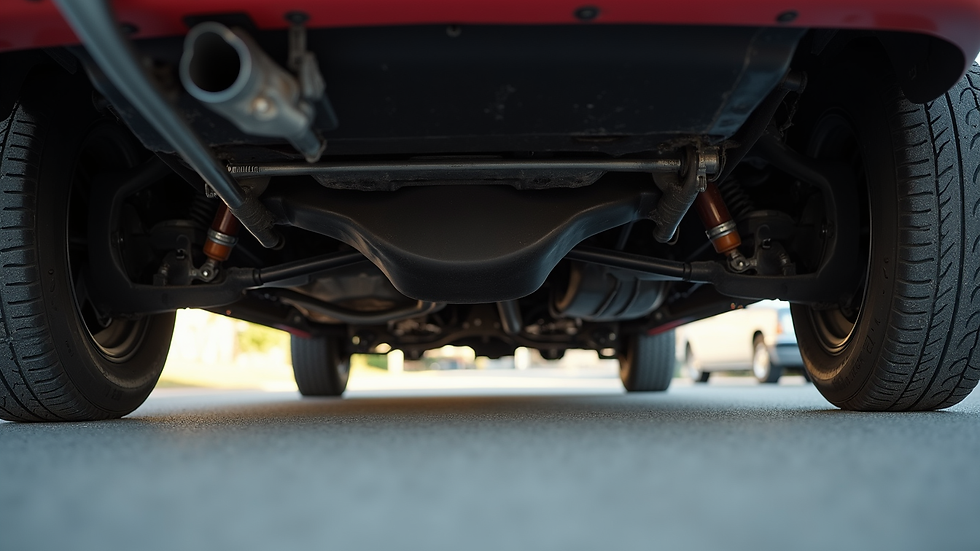
How to Inspect a Classic Car’s Undercarriage and Frame
The undercarriage is often overlooked but is critical in assessing a classic car’s structural integrity.
Look for rust or corrosion on the frame and floor pans.
Check for any signs of welding or patchwork that might indicate previous damage.
Inspect the exhaust system for leaks or excessive rust.
A solid frame is essential for safety and longevity. If you find significant rust or damage, it could be costly to repair.
Final Tips for a Successful Classic Car Inspection
Before finalizing your purchase, consider these additional tips:
Bring a knowledgeable mechanic or classic car expert to help with the inspection.
Take the car for a test drive to evaluate its performance and handling.
Research the specific model’s common issues and check if the car has any of them.
Be patient and don’t rush the inspection process.
If you want to learn more about how to inspect a classic car, this resource offers detailed checklists and expert advice.
By following these steps, you can confidently assess a classic car’s condition and make a smart investment that brings joy for years to come.


Comments